What is Pixel HiLight and why it matters
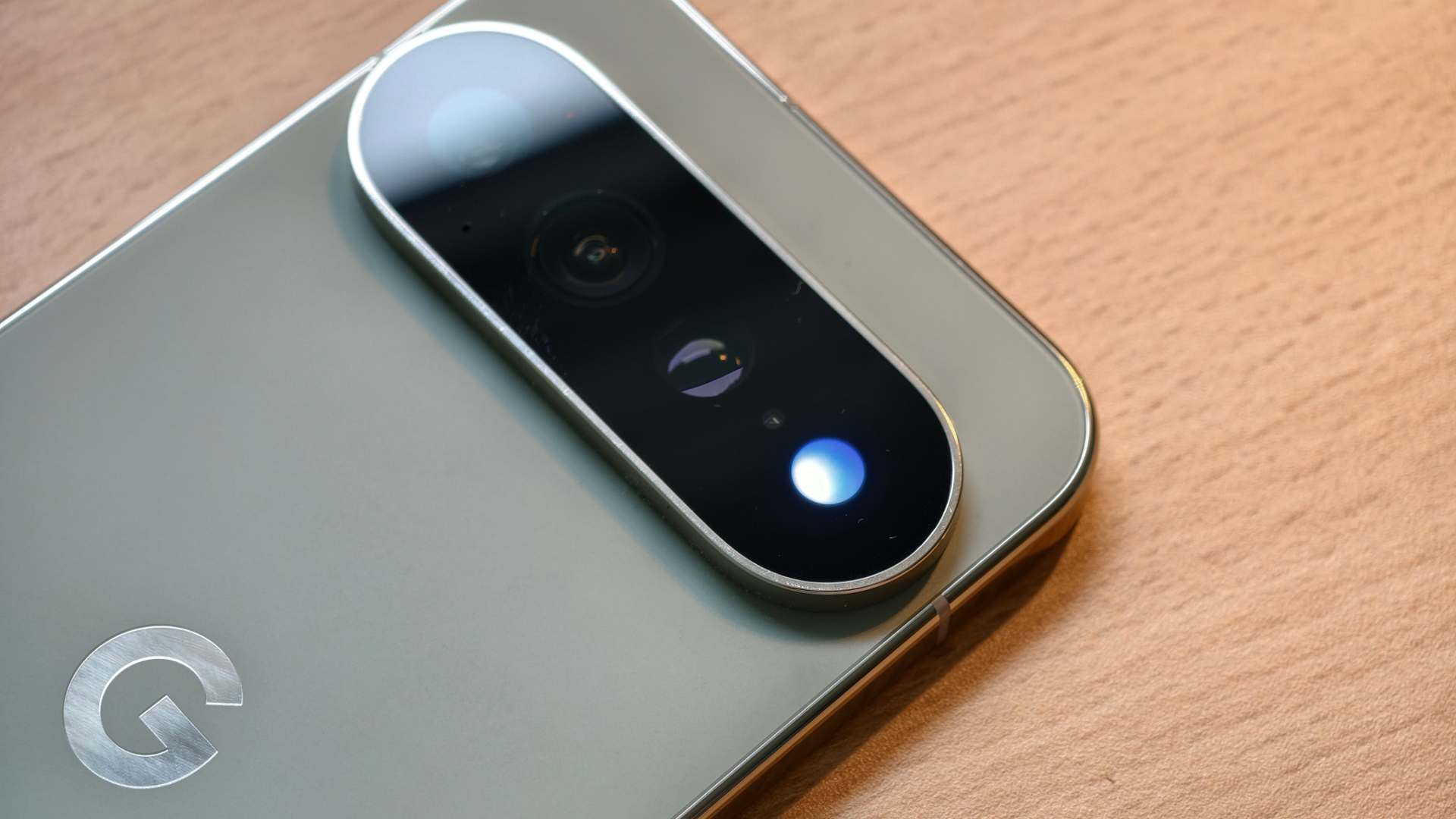
Google introduced the Pixel HiLight feature with the launch of the Pixel 11 series, placing a tiny notification LED inside the camera flash of the Pixel 11 Pro and Pixel 11 Pro Max. The light can flash in different colours to signal events such as an incoming call from a favourite contact or a response from Google Gemini. While the concept is clever, the initial implementation offered only five colours and limited integration, leaving many users wondering what more the hardware could do.
New software hints point to expanded colour palette
Recent code discovered in the Android 17 QPR2 Beta 5 build suggests that Google plans to unlock additional hues. The beta adds four new colour options, bringing the total to nine. This aligns with earlier hardware teardowns that showed the LED is capable of displaying a broader spectrum than the original five colours.
Messaging support could be the next big step
The same beta files indicate that HiLight will soon react to incoming messages. Google has confirmed that the feature will work with Google Messages, although it has not yet announced support for third‑party apps such as WhatsApp or Telegram. If Google expands the API, we could see HiLight flash for alerts from popular messaging platforms, making the subtle light a more useful notification hub.
When will the update arrive?
Because the code is still in beta, the upgrade will not be pushed as a standard over‑the‑air update immediately. Analysts expect the feature to roll out later in the year, possibly as part of a December Pixel Drop that coincides with the release of the Pixel 12. Users of the Pixel 11 Pro, Pixel 11 Pro Max, and even the standard Pixel 11 should receive the update, provided their devices are running Android 17 or later.
How HiLight compares to competing notification lights
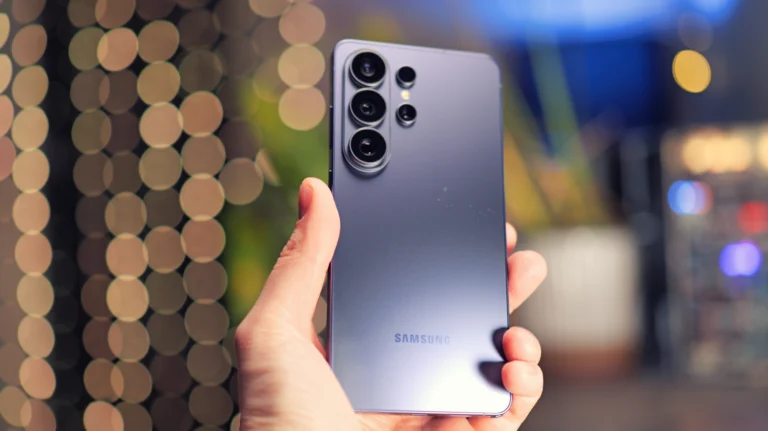
While most flagship phones have moved away from dedicated notification LEDs, some competitors still offer similar functionality. The Samsung Galaxy S24 Ultra, for example, includes a small edge‑lighting system that glows the screen edges for alerts. Apple iPhone 15 Pro Max does not have a hardware LED, relying instead on haptic feedback and on‑screen banners. Google’s approach of embedding the LED in the camera flash keeps the front of the phone clean while still providing a discreet visual cue.
Potential use cases and user expectations
Beyond calls and messages, developers could program HiLight to indicate calendar events, smart‑home alerts from Google Nest devices, or even battery‑low warnings. Power users might map different colours to specific contacts or apps, creating a personalized notification ecosystem that works even when the phone is face‑down or in a pocket.
Conclusion
The upcoming software update promises to make Pixel HiLight a more versatile tool for Pixel 11 owners. By adding new colours and extending support to messaging, Google is turning a novelty feature into a practical notification method that could set its flagship phones apart from the competition. Keep an eye on Android 17 updates later this year to see the full capabilities of the refreshed HiLight system.