What Call for Me Promises
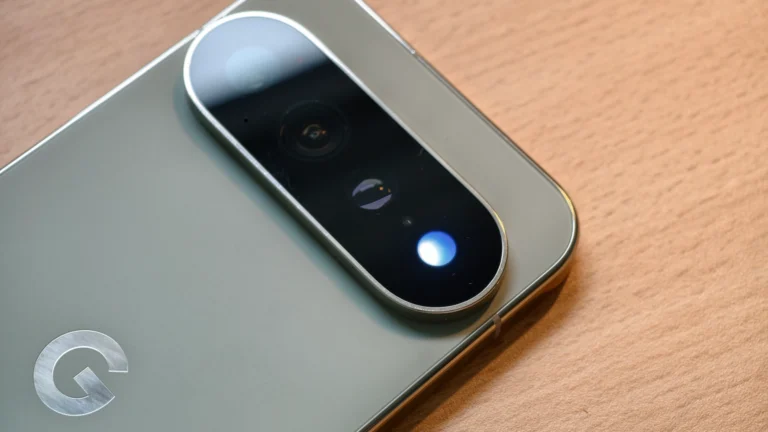
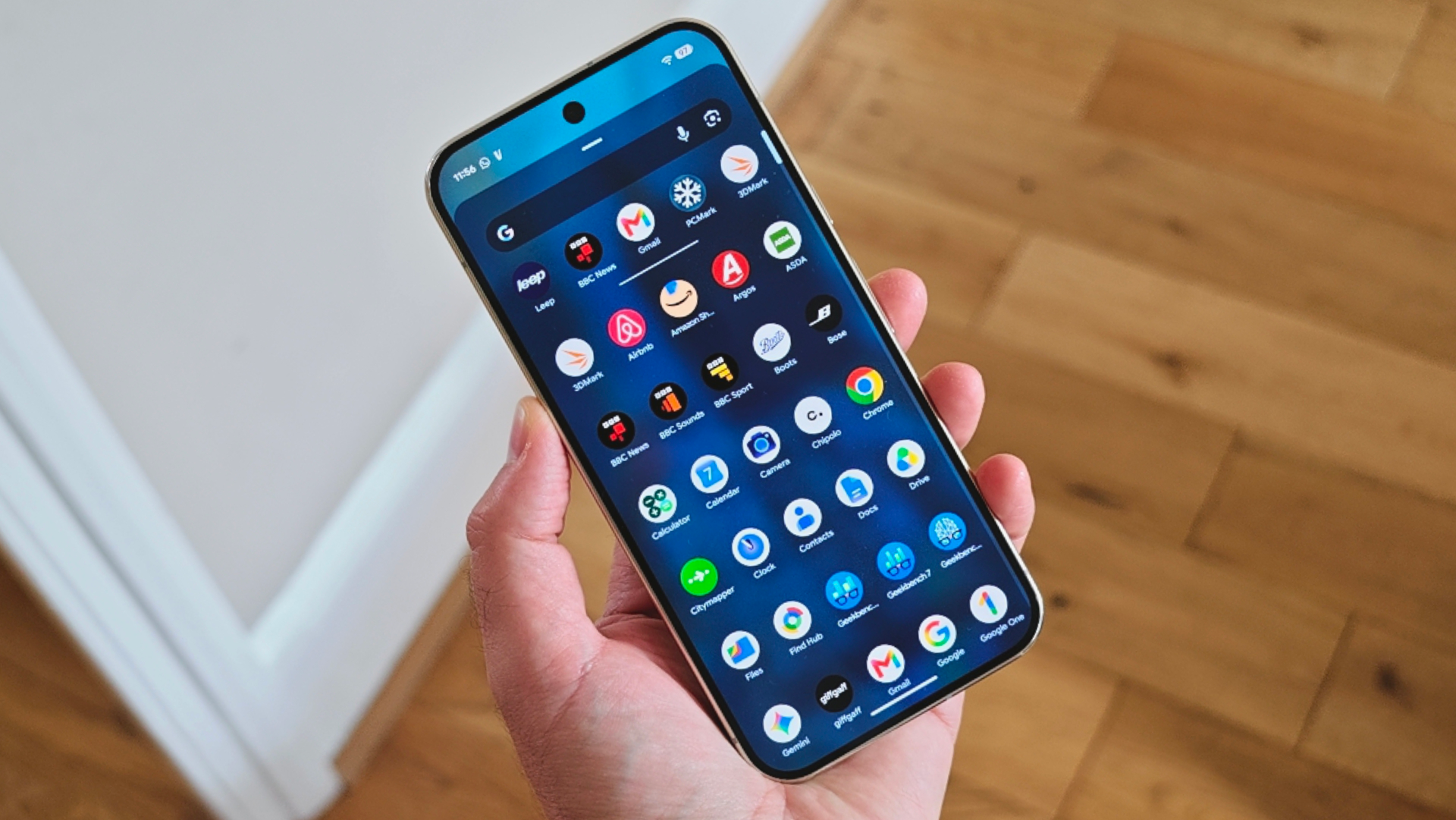
Google is testing a new feature called Call for Me on the Pixel 11. Powered by the Gemini AI, the service is meant to take over routine phone calls such as booking a restaurant table, moving a dentist appointment or confirming a delivery. In theory the AI listens, speaks and negotiates on your behalf, freeing Gen Z users who dread phone conversations from the awkward hold music and small talk.
Why the Idea Feels Familiar
The concept is not brand new. Google unveiled a similar system called Duplex back in 2018, and it was later retired after mixed reception. Call for Me builds on that legacy with a more advanced language model, but the core challenge remains: a synthetic voice trying to convince a human on the other end that it is a real person.
Real‑World Blocking Risks
When a business receives a call that sounds robotic, the safest reaction is often to hang up. Call screening tools on the Pixel already use a greeting like Hi I’m Call Assist by Google to weed out scammers, and many offices treat any AI‑driven call as suspicious. If Call for Me tries to reschedule a GP appointment, the receptionist may simply end the call and block the number, defeating the purpose of the feature.
Privacy and Data Concerns
Even if the AI could navigate the conversation, it would need access to personal details. Some clinics ask for a date of birth before confirming a slot, while dentists may request payment information over the phone. Handing that data to Gemini raises legitimate privacy questions, especially since the model itself admits it can make mistakes.
Scheduling Mistakes Are Costly
Automated scheduling can misinterpret dates, time zones or availability. An AI might pick a slot that conflicts with existing calendar events on the Pixel 11, or fail to capture a confirmation that is only spoken. Without a text or email record, users could end up with missed appointments and extra follow‑up calls.
Existing Pixel Features That Already Help
The Pixel line already includes Hold for Me, which automatically stays on the line during long hold periods, and Call Screen, which filters out known spam callers. These tools improve the calling experience without handing over sensitive conversations to an external AI.
Comparisons With Other Devices
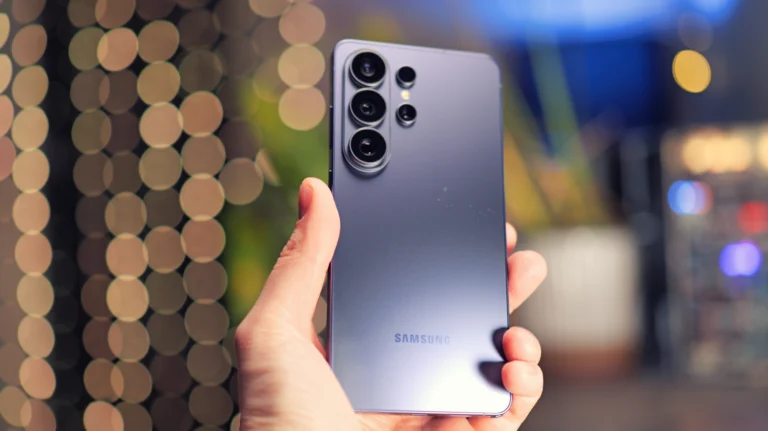
Competitors such as the Samsung Galaxy S25 and the Apple Watch Series 10 also offer voice assistants, but none currently promise full‑call handling. The iPad Air M2 can run third‑party AI apps, yet the privacy trade‑offs remain similar. For now, the safest approach is to use built‑in assistant features for quick queries and keep the phone in your hand for complex interactions.
Should You Trust Call for Me?
For users who experience severe phone anxiety, the temptation to outsource every call is understandable. However, relying on an AI to manage appointments may actually increase stress if the call ends abruptly or personal data is mishandled. Practising phone skills, even for simple tasks like confirming a plumber visit, builds confidence and reduces long‑term dependence on imperfect technology.
Conclusion
Call for Me is an ambitious experiment that could one day streamline everyday logistics, but the current reality is a mix of privacy risks, potential miscommunication and the likelihood of being blocked by businesses. Until the technology matures and gains widespread trust, the best practice is to use the Pixel 11’s existing call‑assistance tools and keep the conversation in your own voice when privacy matters.