
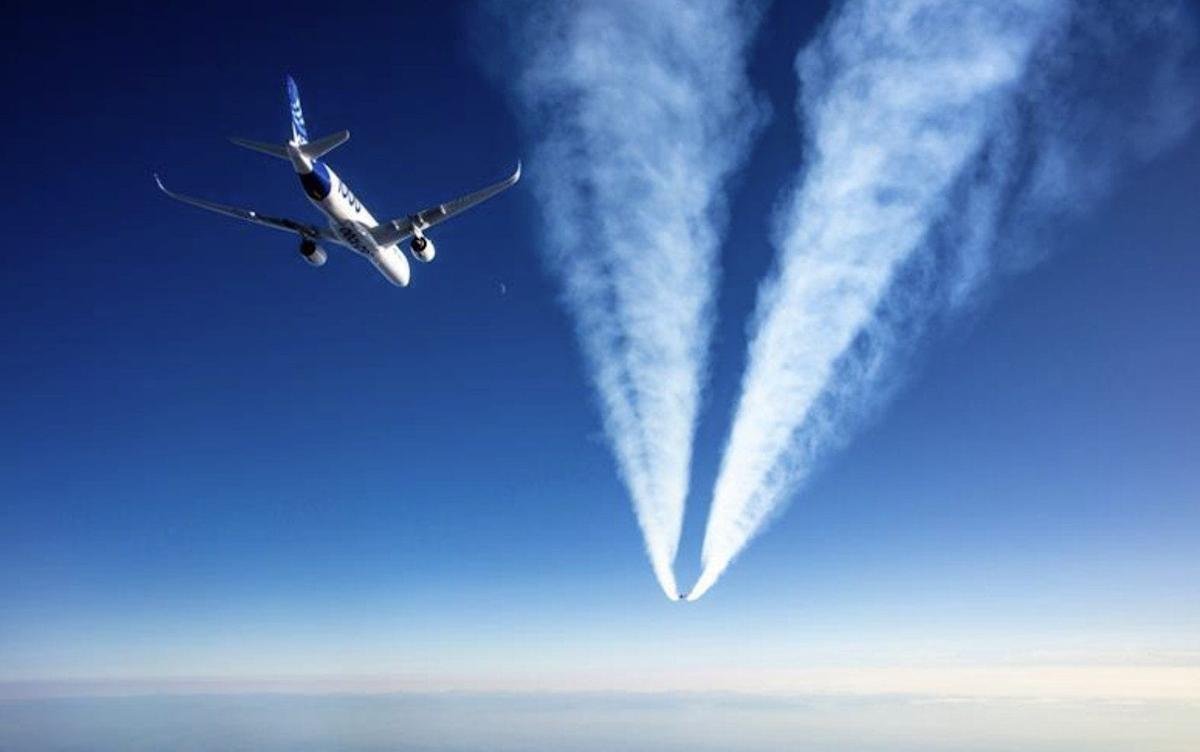
Virgin Planes Mimic Geese to Boost Fuel Efficiency
Virgin Atlantic has adopted a unique approach to reduce fuel consumption by mimicking the flight pattern of geese. This innovative method involves flying in a V-formation to decrease air resistance. By doing so, the planes can save a significant amount of fuel, thereby reducing their carbon footprint.
The idea behind this approach is to analyse the aerodynamic behaviour of geese in flight and apply it to commercial air travel. Geese fly in a V-formation to take advantage of the aerodynamic benefits, which include reduced wind resistance and increased lift. By following this pattern, Virgin planes can reduce their fuel consumption and lower their emissions.
This initiative is part of Virgin’s efforts to reduce its environmental impact and promote sustainable aviation practices. The company has been exploring various ways to decrease its carbon footprint, including investing in more fuel-efficient aircraft and implementing environmentally friendly procedures. The adoption of the geese flight pattern is a significant step towards achieving this goal.
The V-formation flight pattern is not the only initiative Virgin has implemented to reduce its environmental impact. The company has also introduced more fuel-efficient aircraft and implemented sustainable aviation fuels. These efforts demonstrate Virgin’s commitment to reducing its carbon footprint and promoting sustainable aviation practices.
The use of the V-formation flight pattern is expected to have a significant impact on Virgin’s fuel consumption and emissions. By reducing air resistance and increasing lift, the planes can save a substantial amount of fuel, which will not only reduce the company’s carbon footprint but also lower its operating costs. This initiative is a testament to Virgin’s dedication to innovation and sustainability in the aviation industry.
The adoption of the geese flight pattern is a prime example of how nature can inspire innovative solutions to real-world problems. By analysing the behaviour of geese in flight, Virgin has been able to develop a unique approach to reducing fuel consumption and promoting sustainable aviation practices. This initiative highlights the importance of exploring unconventional solutions to environmental challenges.
The initiative has also sparked interest in the aviation industry, with other airlines considering adopting similar approaches to reduce their environmental impact. As the industry continues to evolve, it is likely that we will see more innovative solutions to reduce carbon emissions and promote sustainable aviation practices.
The use of the V-formation flight pattern is a significant step towards a more sustainable future for the aviation industry. By embracing innovative solutions and promoting environmentally friendly practices, Virgin is leading the way towards a more sustainable and environmentally conscious industry. As the company continues to invest in sustainable aviation practices, it is likely that we will see a significant reduction in carbon emissions and a more environmentally friendly industry.