UK Retail Sales Dip in November
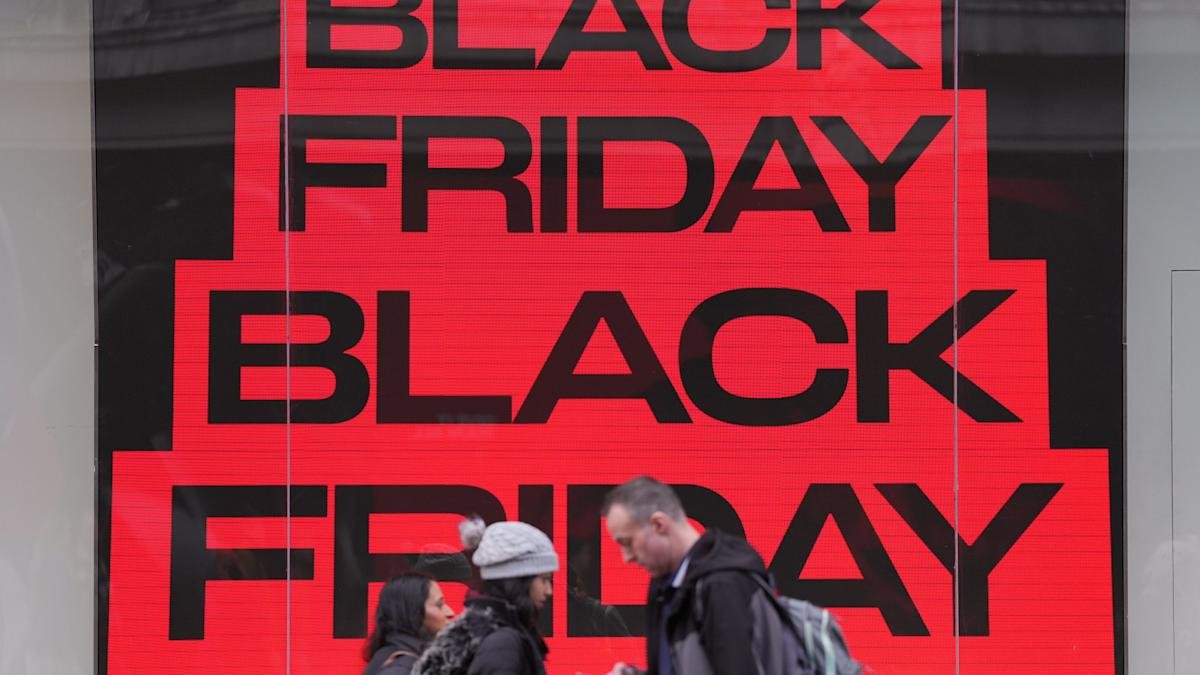
UK retail sales experienced an unexpected decline in November, contrary to expectations of a boost from Black Friday sales. The dip has raised concerns about consumer behaviour and spending patterns. Retailers had anticipated a surge in sales during the Black Friday period.
The November sales figures have sparked worries about the overall health of the UK retail sector. Despite efforts to stimulate sales through discounts and promotions, many retailers failed to attract customers. The sector’s performance is being closely monitored by analysts and economists.
The UK’s economic growth has been impacted by various factors, including Brexit uncertainty and changing consumer behaviour. The retail sector is a significant contributor to the UK’s GDP, and any decline in sales can have a ripple effect on the economy. As the sector continues to evolve, retailers must adapt to changing consumer preferences and behaviour.
To remain competitive, retailers must analyse their sales data and adjust their strategies accordingly. This may involve investing in e-commerce platforms, improving customer service, and offering competitive pricing. By doing so, retailers can better navigate the challenges facing the sector and capitalize on opportunities for growth.
The November sales dip has also highlighted the importance of effective marketing and advertising strategies. Retailers must be able to effectively communicate with their target audience and create engaging campaigns that drive sales. The use of social media and other digital channels can be an effective way to reach consumers and promote products.
The UK retail sector is expected to continue facing challenges in the coming months, including increased competition and changing consumer behaviour. However, by adapting to these changes and investing in new technologies and strategies, retailers can position themselves for success. As the sector continues to evolve, it is likely that we will see new trends and innovations emerge.
One of the key trends expected to shape the UK retail sector in the coming months is the growth of online shopping. As more consumers turn to e-commerce platforms to make purchases, retailers must be able to provide a seamless and convenient online shopping experience. This may involve investing in new technologies, such as artificial intelligence and augmented reality, to enhance the customer experience.
The impact of the November sales dip on the UK economy is still being assessed, but it is clear that the retail sector will play a critical role in driving economic growth. As the sector continues to navigate challenges and capitalize on opportunities, it is likely that we will see a range of new innovations and trends emerge. By staying ahead of the curve and adapting to changing consumer behaviour, retailers can position themselves for success and contribute to the growth of the UK economy.
The UK government has also launched initiatives to support the retail sector, including providing funding for small businesses and investing in high street regeneration projects. These initiatives aim to help retailers adapt to changing consumer behaviour and stay competitive in a rapidly evolving market. By providing support for the sector, the government hopes to stimulate economic growth and create new opportunities for businesses and consumers alike.
In conclusion, the November sales dip has highlighted the challenges facing the UK retail sector, but it has also created opportunities for growth and innovation. As the sector continues to evolve, retailers must be able to adapt to changing consumer behaviour and capitalize on new trends and technologies. By doing so, they can position themselves for success and contribute to the growth of the UK economy.