
Understanding Capital Gains Tax on Property in the UK
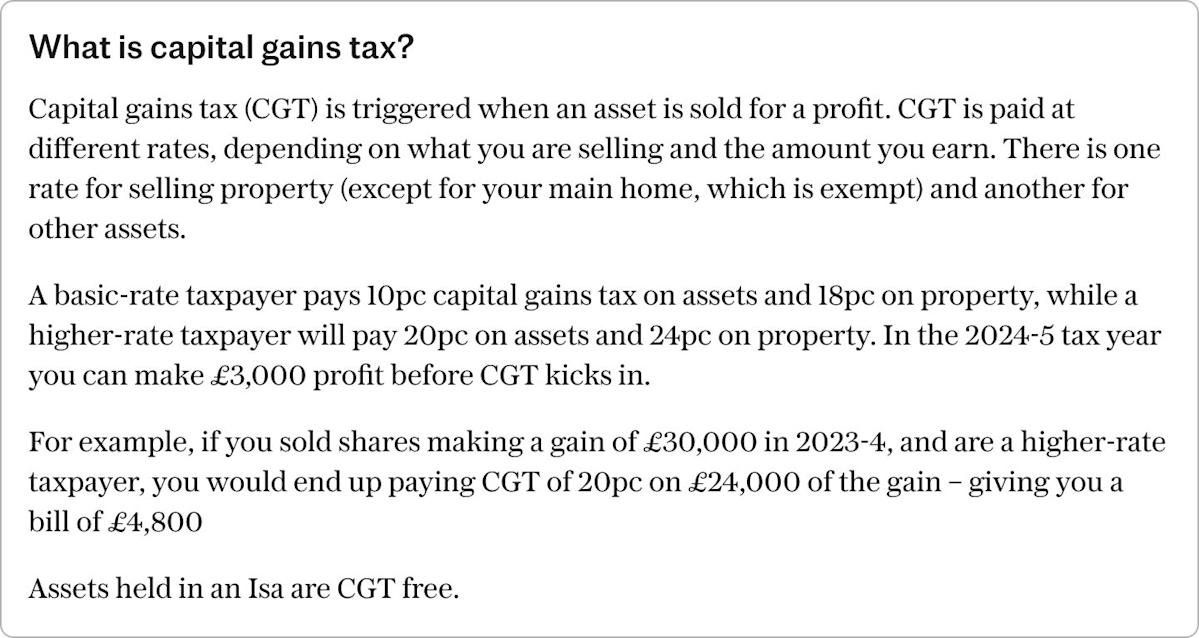
Capital gains tax (CGT) is a tax on the profit made from selling an asset, such as a property. In the UK, CGT is charged on the gain, rather than the sale price. The tax rate depends on the individual’s income tax band.
The UK government has set CGT rates for the 2022-2023 tax year. Basic-rate taxpayers will pay 18% on gains from residential property and 10% on gains from other assets. Higher-rate taxpayers will pay 28% on gains from residential property and 20% on gains from other assets.
There are some exemptions and reliefs available, such as private residence relief (PRR) for primary homes. PRR can significantly reduce or eliminate CGT liability. Additionally, lettings relief can provide a reduction in CGT for properties that have been let out.
It is essential to keep accurate records of property transactions, including purchase and sale dates, prices, and any improvements made. This will help calculate the gain and potential tax liability. Taxpayers can also consider using an annual exemption, which allows a certain amount of gains to be tax-free each year.
Tax planning is crucial when dealing with CGT on property. Individuals can consider using a self-assessment tax return to report gains and claim reliefs. It may also be beneficial to consult a tax professional or financial advisor for guidance on minimizing tax liabilities.
The UK tax system is complex, and CGT is no exception. Staying informed about changes to tax rates and regulations can help taxpayers make informed decisions. By understanding how CGT works and taking advantage of available reliefs, individuals can reduce their tax burden and keep more of their hard-earned money.
For those looking to sell a property, it is vital to consider the potential CGT implications. This includes understanding the tax rates, exemptions, and reliefs available. By being prepared and seeking professional advice, individuals can navigate the complex world of CGT and ensure they are making the most tax-efficient decisions.
In conclusion, CGT on property in the UK can be a complex and nuanced topic. However, by understanding the tax rates, exemptions, and reliefs available, individuals can reduce their tax liability and keep more of their profit. It is essential to stay informed and seek professional advice to ensure the best possible outcome.