
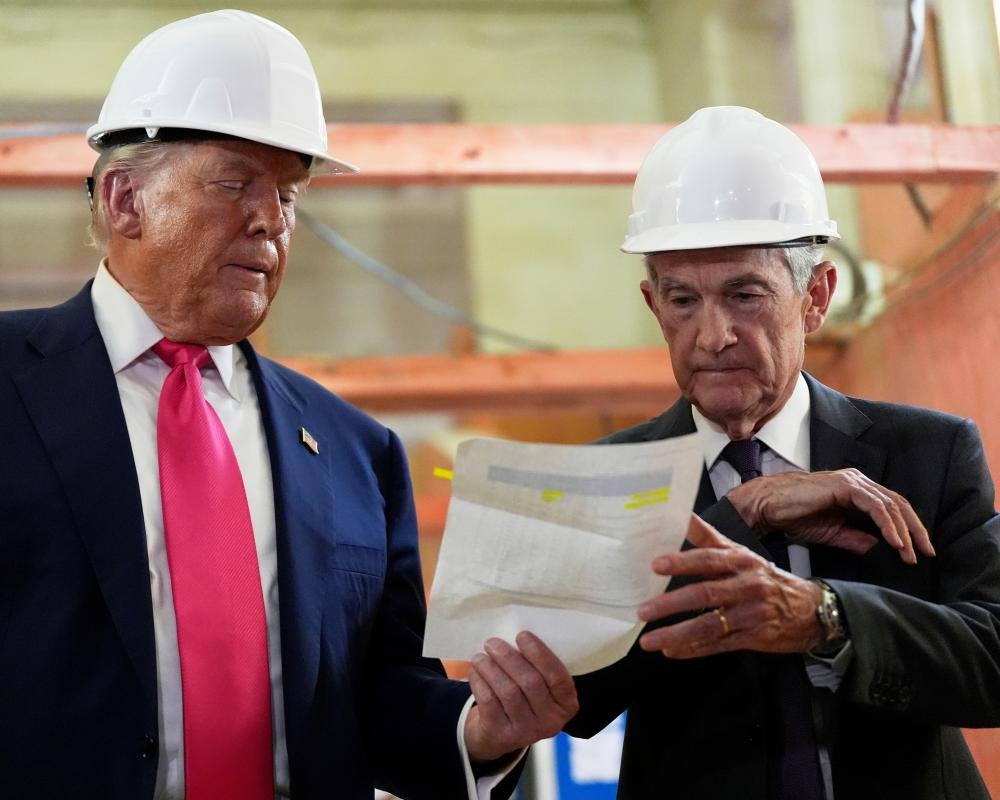
Trump’s Attempts to Influence the Fed: A Risk of 70’s-Style Inflation and Global Backlash
The recent attempts by Trump to influence the Federal Reserve’s monetary policy decisions have sparked concerns among economists and financial experts. This behaviour could lead to a rise in inflation, reminiscent of the 1970s. The potential consequences of such actions are far-reaching and could have a significant impact on the global economy.
The Fed, as an independent institution, is responsible for setting interest rates and regulating the money supply. Trump’s meddling could compromise the Fed’s ability to make objective decisions, leading to a loss of credibility and trust in the institution. This, in turn, could lead to higher inflation, reduced economic growth, and increased unemployment.
The 1970s saw a period of high inflation, often referred to as the ‘Great Inflation’. This was largely due to a combination of factors, including monetary policy mistakes and external shocks. If Trump’s actions lead to a similar scenario, the consequences could be severe. The global economy is already facing numerous challenges, including trade tensions and Brexit uncertainty.
Furthermore, Trump’s actions could also lead to a global backlash, as other countries may view the US as undermining the independence of its central bank. This could lead to a decline in international cooperation and an increase in protectionism. The potential risks of Trump’s behaviour are clear, and it is essential that the Fed maintains its independence to ensure the stability of the global economy.
The impact of Trump’s actions on the UK economy could also be significant. As a major trading partner of the US, the UK is likely to be affected by any changes in US monetary policy. A rise in inflation could lead to higher interest rates, reduced consumer spending, and decreased economic growth. The UK government and the Bank of England must be prepared to respond to any potential challenges that may arise.
In conclusion, Trump’s attempts to influence the Fed pose a significant risk to the global economy. The potential consequences of such actions are far-reaching and could lead to a period of high inflation, reduced economic growth, and increased unemployment. It is essential that the Fed maintains its independence and that Trump refrains from meddling in monetary policy decisions.
The UK government and the Bank of England must also be vigilant and prepared to respond to any potential challenges that may arise. The stability of the global economy depends on the independence of central banks and the ability of governments to make informed, objective decisions. Only time will tell if Trump’s actions will have a lasting impact on the global economy.
As the situation continues to unfold, it is crucial to analyse the potential risks and consequences of Trump’s behaviour. The global economy is at a critical juncture, and any mistakes could have far-reaching consequences. The importance of independence and objectivity in monetary policy decisions cannot be overstated.
In the coming months, it will be essential to monitor the situation closely and respond to any challenges that may arise. The UK government and the Bank of England must work together to ensure the stability of the economy and protect the interests of consumers and businesses. The potential risks of Trump’s actions are clear, and it is essential that we are prepared to respond to any potential challenges.
The global economy is facing numerous challenges, and the situation is complex and multifaceted. However, one thing is clear: the independence of central banks is crucial to maintaining economic stability. Trump’s actions have sparked a debate about the role of central banks and the importance of independence in monetary policy decisions.
The UK has a long history of independent monetary policy, and the Bank of England has a reputation for making objective, informed decisions. It is essential that this independence is maintained and that the government refrains from meddling in monetary policy decisions. The potential risks of political interference are clear, and it is crucial that we prioritize the stability of the economy.
In conclusion, the situation is complex, and the potential risks are far-reaching. However, by prioritizing the independence of central banks and maintaining a stable monetary policy, we can mitigate the risks and ensure the long-term stability of the global economy. The importance of independence and objectivity in monetary policy decisions cannot be overstated, and it is crucial that we prioritize these values in the coming months.