Sri Lanka Debt Repayments Under Review
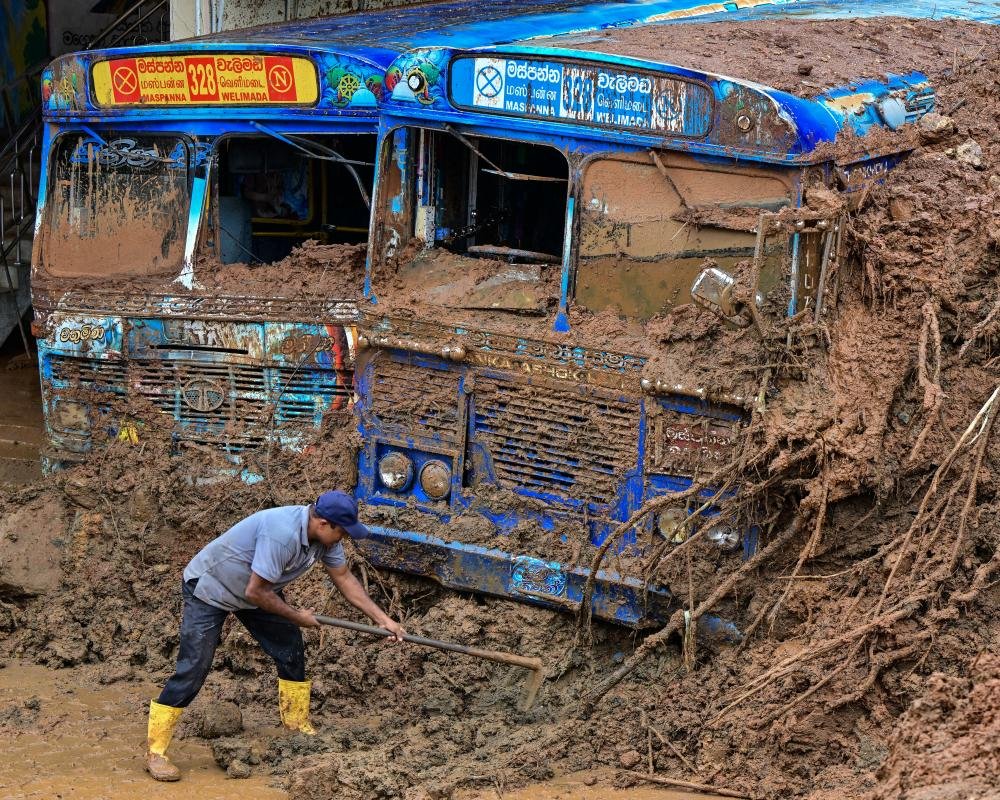
Top economists are urging a halt to Sri Lanka’s debt repayments following the devastating impact of Cyclone Ditwah. The country is struggling to recover from the disaster, which has left many without access to basic necessities. Economists argue that debt repayment should be put on hold to allow the country to focus on rebuilding efforts.
The cyclone has caused widespread destruction, with many homes and businesses destroyed or severely damaged. The economic impact is likely to be significant, with many industries, such as tourism and agriculture, affected. The government is under pressure to provide support to those affected and to rebuild critical infrastructure.
Debt repayments are a significant burden for Sri Lanka, with the country owing billions of dollars to international lenders. The economists argue that a temporary halt to debt repayments would allow the country to redirect funds towards rebuilding and recovery efforts. This would help to alleviate the suffering of those affected by the cyclone and support the country’s long-term economic growth.
The call to halt debt repayments has been met with support from many in the international community. The move is seen as a necessary step to help Sri Lanka recover from the disaster and to prevent a deeper economic crisis. The country’s economy is already under strain, and the cyclone has exacerbated the situation.
The Sri Lankan government is facing a difficult decision, as it must balance the need to repay its debts with the need to support its citizens. The government has already taken steps to provide support to those affected by the cyclone, but more needs to be done to address the scale of the disaster. A temporary halt to debt repayments could provide the necessary breathing space for the country to recover.
The economic impact of the cyclone is not limited to Sri Lanka. The disaster has also affected neighbouring countries, which are providing support to those affected. The international community is coming together to provide aid and assistance to Sri Lanka, which will help to alleviate the suffering of those affected.
In conclusion, the call to halt Sri Lanka’s debt repayments is a necessary step to help the country recover from the devastating impact of Cyclone Ditwah. The move would allow the country to redirect funds towards rebuilding and recovery efforts, which would help to alleviate the suffering of those affected and support the country’s long-term economic growth.