McDonald’s McRib Scandal: No Rib Meat?
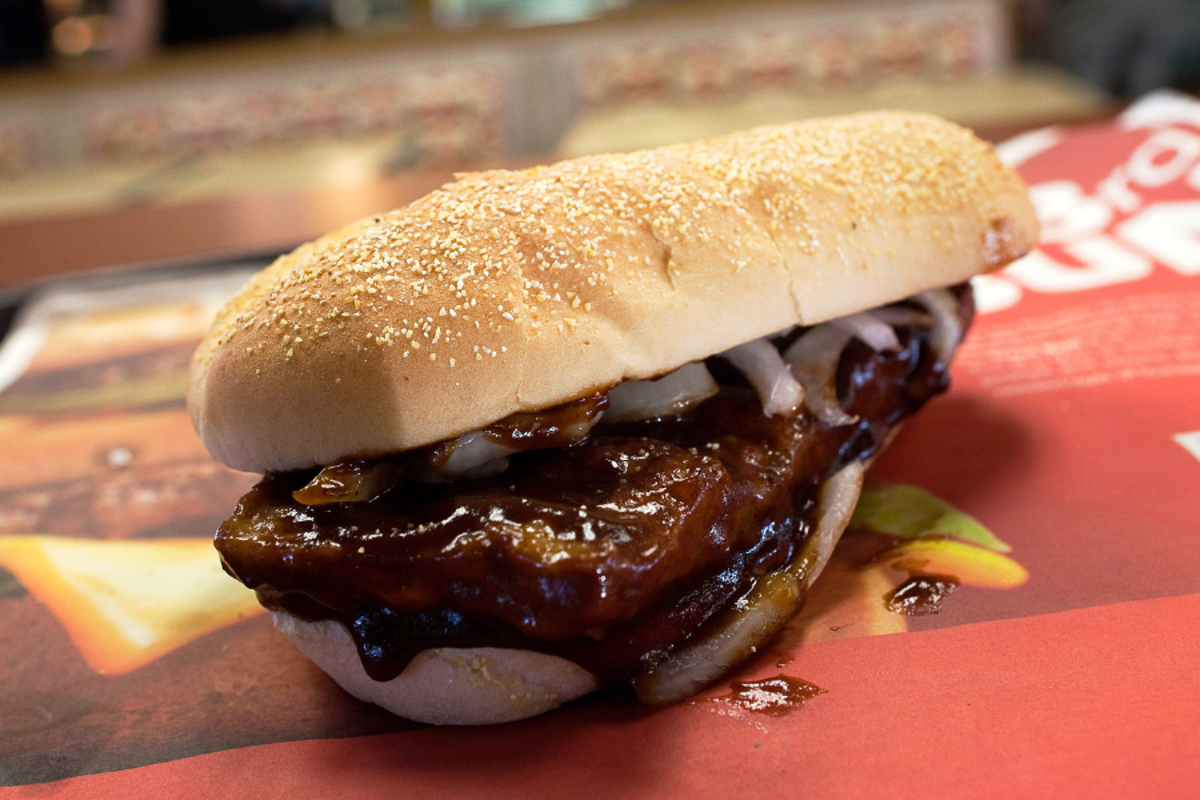
McDonald’s is facing a class action lawsuit over claims that their McRib sandwich doesn’t contain any rib meat. The lawsuit, filed in the US, alleges that the fast food giant has misled consumers. The McRib is a popular menu item that is typically made with a patty of ground meat. This has sparked debate about food labelling and transparency.
The lawsuit claims that McDonald’s has engaged in deceptive behaviour by advertising the McRib as containing rib meat. The plaintiffs argue that this behaviour is unfair and has caused harm to consumers. The case is likely to centre on the definition of ‘rib meat’ and whether McDonald’s has breached food labelling regulations.
Food labelling is a complex area of law, with many regulations governing what information must be included on packaging. In the UK, the Food Standards Agency is responsible for enforcing food labelling laws. The agency has strict guidelines on what can and cannot be claimed about food products. This includes rules on the use of certain words and phrases, such as ‘rib meat’.
McDonald’s has faced criticism in the past over its food labelling practices. The company has been accused of using misleading language and imagery to promote its products. This has led to calls for greater transparency and honesty in food marketing. As the McRib scandal continues to unfold, it remains to be seen how McDonald’s will respond to the allegations.
The case has significant implications for the food industry as a whole. If McDonald’s is found to have engaged in deceptive behaviour, it could lead to a rethink of food labelling practices across the sector. This could involve greater clarity and transparency in food marketing, as well as stricter regulations on what can be claimed about food products.
The UK’s food labelling laws are designed to protect consumers and ensure that they have access to accurate information about the food they eat. The laws require food manufacturers to provide clear and concise information about ingredients, nutritional content, and allergens. This includes rules on the use of certain words and phrases, such as ‘rib meat’.
As the debate over food labelling continues, it is clear that there is a need for greater transparency and honesty in the food industry. Consumers have a right to know what they are eating, and food manufacturers have a responsibility to provide accurate and truthful information. The McRib scandal is a wake-up call for the industry, and it remains to be seen how companies will respond to the challenge.
The food industry is a complex and multifaceted sector, with many different companies and products involved. From fast food chains like McDonald’s to specialist food manufacturers, the industry is diverse and dynamic. However, despite its complexity, the industry is subject to strict regulations and guidelines, particularly when it comes to food labelling.
In conclusion, the McRib scandal has highlighted the need for greater transparency and honesty in food labelling. The case has significant implications for the food industry, and it remains to be seen how companies will respond to the challenge. As consumers, we have a right to know what we are eating, and food manufacturers have a responsibility to provide accurate and truthful information.