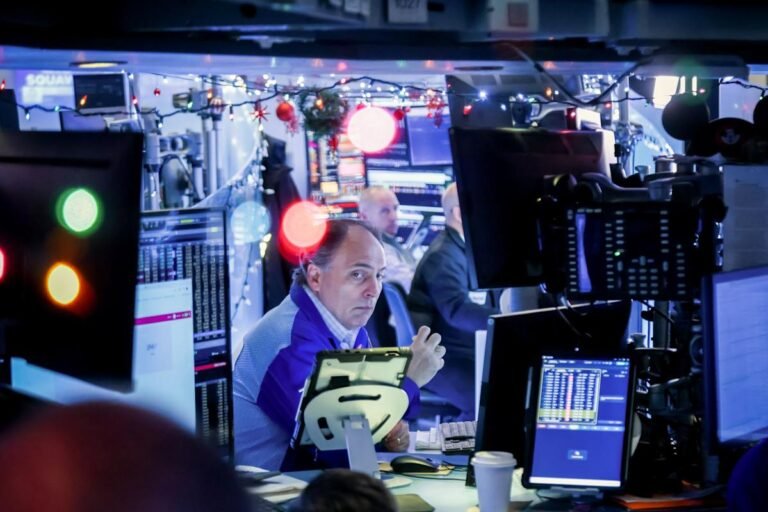

Predicting the Future: A Booming Business
The business of predicting the future is thriving, with many companies investing heavily in predictive analytics and artificial intelligence. This trend is driven by the need to make informed decisions in an increasingly complex and uncertain world. However, EU regulators remain uneasy about the potential risks and consequences of these technologies.
One of the main concerns is the potential for predictive models to perpetuate existing biases and discrimination. For instance, if a model is trained on historical data that is biased against certain groups, it may reproduce these biases in its predictions. This could have serious consequences, such as exacerbating social inequalities and undermining trust in institutions.
Another concern is the lack of transparency and accountability in the development and deployment of predictive models. Many companies are using complex algorithms that are difficult to understand, even for experts. This makes it challenging to identify and address potential errors or biases, and to hold companies accountable for the consequences of their predictions.
Despite these concerns, the business of predicting the future is likely to continue growing. Companies are increasingly recognizing the potential benefits of predictive analytics, such as improved decision-making and risk management. However, it is essential to address the concerns of EU regulators and ensure that these technologies are developed and deployed in a responsible and transparent manner.
To achieve this, companies must prioritize transparency and accountability in their use of predictive models. This includes providing clear explanations of how models work, and being open about the potential risks and limitations of these technologies. Additionally, regulators must work to develop and implement effective guidelines and regulations, to ensure that the benefits of predictive analytics are realized while minimizing the risks.
The development and deployment of predictive models must also be guided by a commitment to ethical behaviour and social responsibility. This includes ensuring that models are fair, transparent, and accountable, and that they do not perpetuate existing biases and discrimination. By working together, companies and regulators can ensure that the business of predicting the future is both profitable and responsible.
Furthermore, the use of predictive analytics raises important questions about the role of human judgement and expertise in decision-making. While models can provide valuable insights and predictions, they are not a replacement for human intuition and critical thinking. Companies must recognize the importance of balancing the use of predictive models with human judgement and expertise, to ensure that decisions are informed and responsible.
In conclusion, the business of predicting the future is a complex and multifaceted issue, with both benefits and risks. While EU regulators remain uneasy about the potential consequences of predictive analytics, companies must prioritize transparency, accountability, and ethical behaviour in their use of these technologies. By working together, we can ensure that the business of predicting the future is both profitable and responsible, and that it contributes to a more informed and equitable society.