
Brazilian Bovespa Takes a Hit: Unpacking the 2.14% Decline
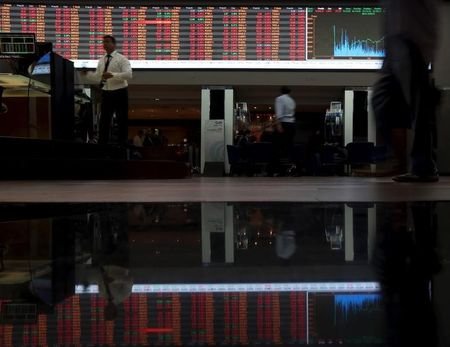
The close of trade saw Brazilian equities finish notably lower, with the benchmark Bovespa index shedding a significant 2.14% of its value. This downward movement reflects a confluence of both international and domestic pressures, leaving investors to ponder the immediate future of Latin America’s largest economy. Such a pronounced daily drop often signals a broader unease permeating market sentiment.
Globally, emerging markets like Brazil are particularly susceptible to shifts in monetary policy from developed nations. Recent hawkish stances by central banks, notably the U.S. Federal Reserve, have prompted a reassessment of risk among international investors. This often leads to capital outflows from riskier assets, including those in Brazil, as funds seek the perceived safety and higher yields available elsewhere.
Domestically, Brazil grapples with its own set of economic challenges. Persistent inflationary pressures have compelled the Banco Central do Brasil to maintain a tight monetary policy, with high interest rates designed to cool the economy. While necessary to curb price rises, these elevated rates can stifle corporate borrowing and investment, ultimately weighing on earnings prospects for listed companies.
Furthermore, the political landscape frequently contributes to market volatility in Brazil. Ongoing fiscal debates and concerns over the nation’s public debt trajectory can erode investor confidence, creating an environment of uncertainty. Policy decisions or even perceived shifts in governmental direction often have an immediate and tangible impact on asset prices, as evidenced by the recent Bovespa performance.
Brazil’s heavy reliance on commodity exports also makes its market vulnerable to global price fluctuations. A downturn in the prices of key exports such as iron ore, crude oil, or agricultural products can significantly impact the country’s trade balance and the profitability of major corporations. Such external factors directly influence investor outlook and the overall health of the stock market.
Specific sectors within the Bovespa also felt the pinch. Financial institutions, often bellwethers for economic health, tend to underperform when interest rates are high and economic growth is sluggish, as loan demand may cool and default risks could subtly increase. Similarly, industrial and consumer discretionary firms face headwinds when domestic purchasing power is constrained by inflation.
The 2.14% dip, therefore, is not an isolated event but rather a symptom of these intertwined economic dynamics. Investors are clearly reacting to a complex interplay of global macroeconomic trends, cautious central bank actions, and the ever-present domestic political and fiscal considerations that shape Brazil’s economic narrative. The current environment demands vigilance and a nuanced understanding of these various influences.
Looking ahead, the trajectory of the Brazilian market will likely hinge on several key developments. Stability in global commodity markets, clearer direction on domestic fiscal policy, and evidence of easing inflationary pressures will be crucial in restoring investor confidence. For now, however, the Bovespa’s recent performance serves as a stark reminder of the challenges facing emerging economies.
While the market has shown resilience in the past, the current conditions necessitate a careful approach. Both local and international investors will be closely monitoring upcoming economic data releases and policy announcements for indications of a potential turnaround or further consolidation. The path to sustained recovery may well be punctuated by continued volatility.
Ultimately, a healthy stock market reflects a healthy economy, and Brazil is currently navigating a period of significant adjustment. The Bovespa’s decline is a quantifiable outcome of these broader forces at play, prompting market participants to recalibrate their expectations and strategies in response to the evolving economic landscape. This recent dip underscores the dynamic nature of emerging market investments.