
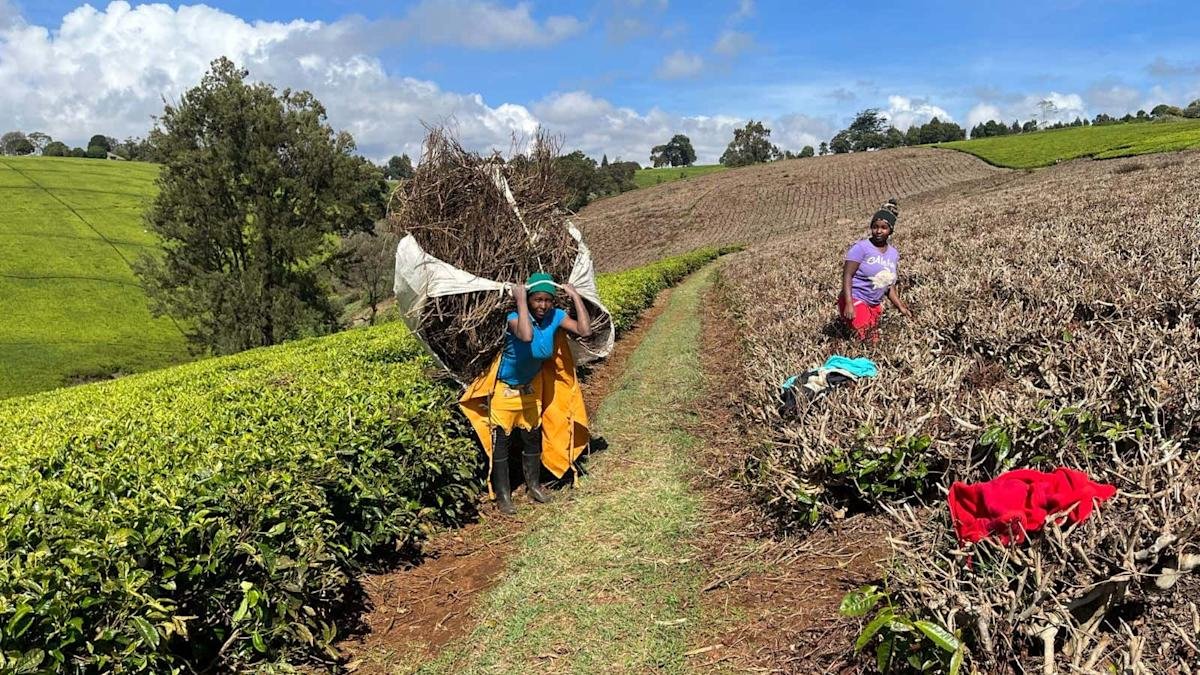
Transforming Kenya’s Tea Waste into Clean Energy and Fertiliser
The UK-backed project aims to convert tea waste into clean energy and fertiliser, reducing carbon emissions and promoting sustainability in Kenya’s tea industry.
This innovative approach will not only benefit the environment but also provide economic benefits to local tea farmers and communities.
The project involves the use of anaerobic digestion to break down tea waste, producing biogas and nutrient-rich fertiliser.
The biogas will be used to generate electricity, while the fertiliser will be used to improve soil quality and increase crop yields.
The UK’s support for this project demonstrates its commitment to reducing carbon emissions and promoting renewable energy sources globally.
Kenya’s tea industry is one of the country’s largest exporters, and this project will help to reduce the industry’s carbon footprint and promote sustainable practices.
The project’s success will also provide a model for other industries to follow, demonstrating the potential for waste reduction and renewable energy production.
As the world continues to grapple with the challenges of climate change, initiatives like this one are crucial in promoting sustainable development and reducing our reliance on fossil fuels.
The project’s focus on tea waste reduction and energy production will also help to improve air and water quality in local communities.
Furthermore, the creation of new job opportunities in the renewable energy sector will contribute to Kenya’s economic growth and development.
The UK’s partnership with Kenya on this project highlights the importance of international collaboration in addressing global environmental challenges.
By working together, we can develop innovative solutions to reduce waste, promote sustainability, and create a more environmentally conscious future.
The project’s impact will be closely monitored, and its success will pave the way for similar initiatives in other industries and countries.
As we move forward, it is essential to continue investing in renewable energy sources and promoting sustainable practices to mitigate the effects of climate change.
The UK-backed project in Kenya is a shining example of what can be achieved through collaboration, innovation, and a commitment to sustainability.