
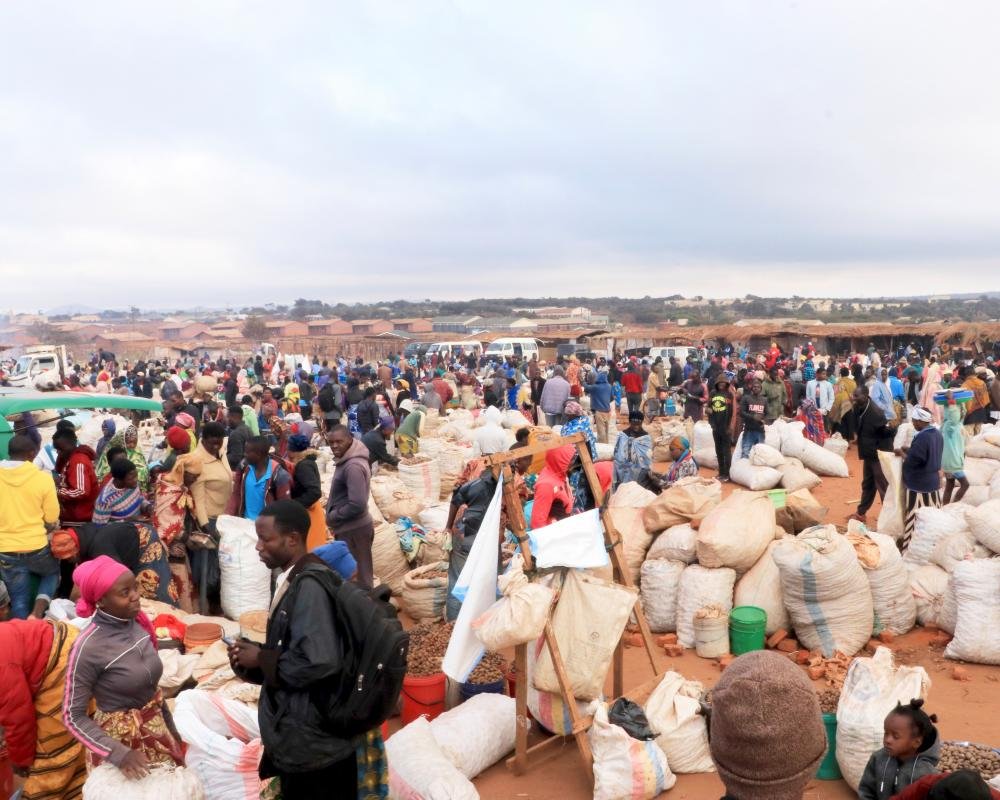
Quarter of Developing Countries Poorer Than in 2019
A recent report by the World Bank has found that a quarter of developing countries are now poorer than they were in 2019. This worrying trend is attributed to various factors, including the COVID-19 pandemic and economic instability. The situation is particularly dire in countries with limited resources and infrastructure. The World Bank’s findings are based on data from over 100 countries.
The report highlights the need for urgent action to address the growing poverty gap. Developing countries require significant investment in areas such as education, healthcare, and infrastructure to stimulate economic growth. The international community must come together to provide support and resources to these countries. The World Bank is calling for a coordinated effort to tackle poverty and promote sustainable development.
The COVID-19 pandemic has had a devastating impact on economies around the world, but developing countries have been disproportionately affected. The pandemic has disrupted supply chains, led to widespread job losses, and exacerbated existing social and economic inequalities. The World Bank’s report emphasizes the need for a comprehensive approach to address the root causes of poverty and promote economic recovery.
In addition to the pandemic, other factors such as climate change, conflict, and political instability are also contributing to the growing poverty gap. Developing countries are often the most vulnerable to these external shocks, and their limited resources and infrastructure make it difficult for them to respond effectively. The international community must recognize the complexity of these challenges and work together to provide tailored support and solutions.
The World Bank’s report is a stark reminder of the significant challenges facing developing countries. It is essential that we prioritize poverty reduction and sustainable development in these countries. This can be achieved through a combination of policy reforms, investment in human capital, and provision of financial assistance. The international community must commit to supporting developing countries in their efforts to overcome poverty and achieve economic prosperity.
The report’s findings have significant implications for policymakers, practitioners, and researchers working in the field of international development. It highlights the need for a nuanced understanding of the complex factors driving poverty and inequality in developing countries. By analysing the data and trends presented in the report, stakeholders can develop more effective strategies to address the root causes of poverty and promote sustainable development.
Furthermore, the report emphasizes the importance of collaboration and coordination among international organizations, governments, and civil society groups. By working together, we can leverage resources, expertise, and knowledge to support developing countries in their efforts to reduce poverty and achieve the United Nations’ Sustainable Development Goals. This collaborative approach is critical to addressing the scale and complexity of the challenges facing developing countries.
Ultimately, the World Bank’s report serves as a call to action for the international community to prioritize poverty reduction and sustainable development in developing countries. By working together and adopting a comprehensive approach, we can make significant progress in addressing the growing poverty gap and promoting economic prosperity in these countries. The report’s findings and recommendations provide a valuable framework for policymakers, practitioners, and researchers to develop more effective strategies and solutions.
In conclusion, the World Bank’s report highlights the urgent need for action to address the growing poverty gap in developing countries. The international community must come together to provide support and resources to these countries, and prioritize poverty reduction and sustainable development. By working collaboratively and adopting a comprehensive approach, we can make a meaningful difference in the lives of millions of people around the world.