
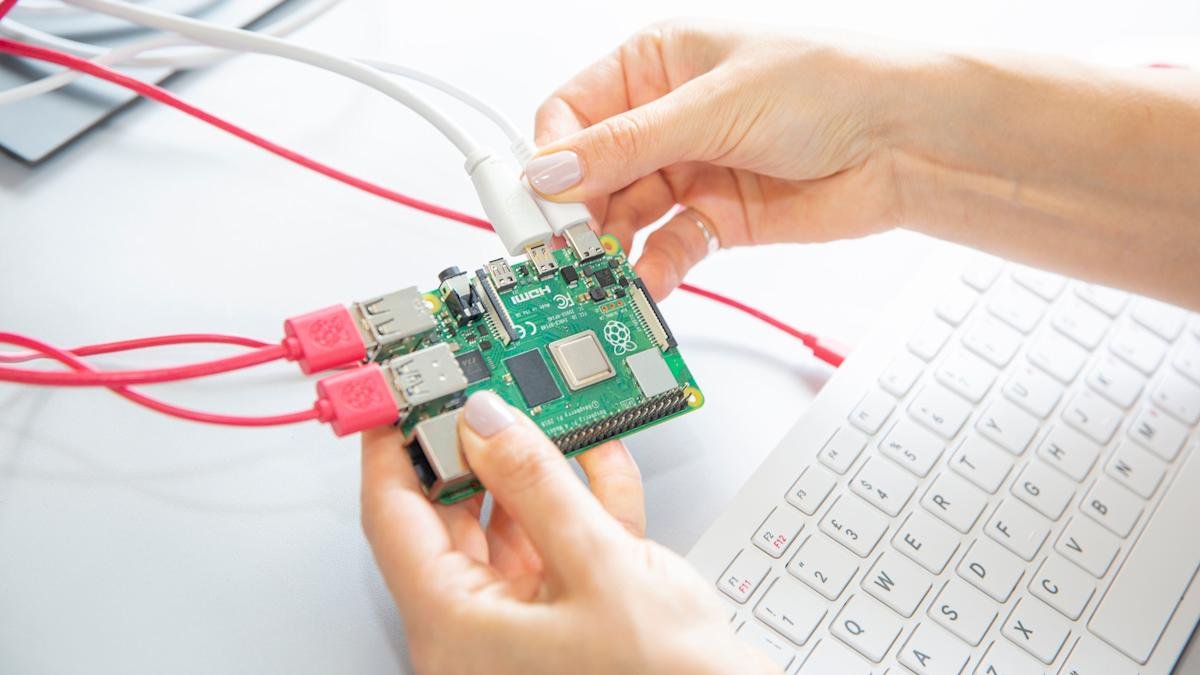
Raspberry Pi Faces Uncertainty Amid AI Boom
The Raspberry Pi, a UK-based company, is facing uncertainty due to memory shortages caused by the AI boom. This shortage has affected the production of Raspberry Pi devices, leading to delays and increased costs. The company is working to resolve the issue by exploring alternative suppliers. The AI boom has led to a significant increase in demand for memory chips, resulting in a global shortage.
The Raspberry Pi is not the only company affected by the memory shortage. Many other tech companies are facing similar challenges, including giants like Google and Amazon. The shortage has also affected the production of other devices, such as smartphones and laptops. The UK tech sector is particularly vulnerable to the shortage, given its reliance on imported components.
The UK government has announced plans to invest in the development of domestic chip production, which could help alleviate the shortage in the long term. However, this will not provide a quick fix for companies like Raspberry Pi, which need to find immediate solutions to the shortage. The company is working with its suppliers to secure alternative sources of memory chips, but this is a challenging task given the high demand for these components.
The AI boom has also led to an increase in demand for other components, such as graphics processing units (GPUs) and central processing units (CPUs). This has resulted in a shortage of these components, which is affecting the production of a wide range of devices, from smartphones to data centre equipment. The shortage is also having a knock-on effect on the development of new technologies, such as the Internet of Things (IoT) and autonomous vehicles.
The Raspberry Pi is a popular device among hobbyists and developers, who use it to build a wide range of projects, from home automation systems to robots. The device is also used in education, where it is used to teach programming and computer science skills. The shortage of Raspberry Pi devices could have a significant impact on these communities, who rely on the device for their projects and learning.
The company is working to mitigate the impact of the shortage by providing alternative devices and solutions to its customers. However, this is a challenging task, given the high demand for the device and the limited availability of alternative components. The shortage is also affecting the company’s ability to develop new products and services, which could have a long-term impact on its growth and profitability.
The UK tech sector is facing a number of challenges, including the shortage of skilled workers and the impact of Brexit on trade and investment. The memory shortage is just one of the many challenges facing the sector, which is working to develop new technologies and innovations to drive growth and productivity. The sector is also working to develop new business models and partnerships, which could help to alleviate the shortage and drive growth.
The Raspberry Pi is just one example of a company affected by the memory shortage. Many other companies are facing similar challenges, and the shortage is having a significant impact on the UK tech sector as a whole. The sector is working to develop new solutions and innovations to address the shortage, but this will take time and investment. In the meantime, companies like Raspberry Pi will have to find ways to mitigate the impact of the shortage and ensure their long-term growth and profitability.