
Russia’s Shadow Fleet: Sanctioned Oil on the Rise
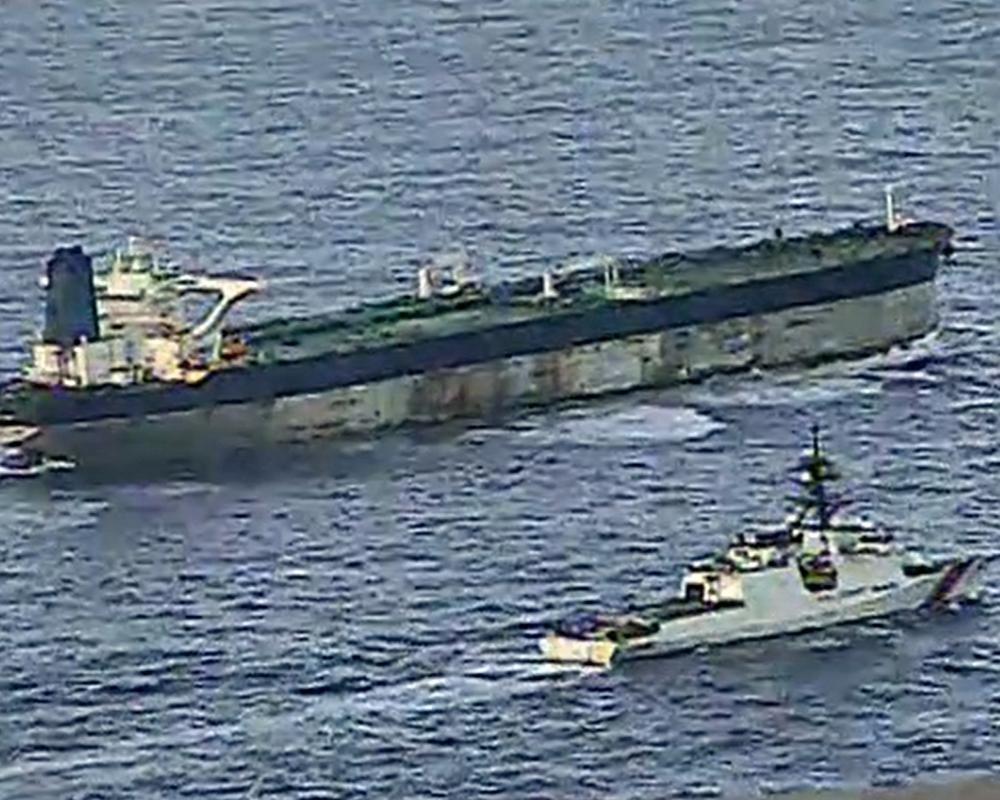
Russia’s shadow fleet has been growing, with ships moving sanctioned oil being reflagged at an alarming rate. This behaviour is causing concern among global authorities, as it allows Russia to circumvent sanctions. The colour of the flag may change, but the cargo remains the same. This tactic is being used to analyse and evade detection.
Financial experts are closely monitoring the situation, as the implications for global trade are significant. The use of shell companies and complex financial transactions is making it difficult to track the movement of these ships. However, with the help of advanced technology and data analysis, authorities are working to stay one step ahead.
The impact on the global economy could be substantial, with potential disruptions to oil supplies and prices. As the situation continues to unfold, businesses and investors are advised to stay informed and adapt to the changing landscape. The role of financial institutions in facilitating these transactions is also under scrutiny. The financial sector is being forced to re-evaluate its behaviour and implement stricter controls.
The UK government has been working to strengthen its sanctions regime, with a focus on preventing the misuse of shell companies and other tactics used to evade detection. The government is also working closely with international partners to share intelligence and best practices. This collaborative approach is crucial in the fight against financial crime and the evasion of sanctions.
The use of data analytics and artificial intelligence is becoming increasingly important in the detection and prevention of financial crime. By analysing patterns and anomalies, authorities can identify and disrupt suspicious activity. This approach is being used to track the movement of ships and cargo, as well as to monitor financial transactions.
The situation is complex and constantly evolving, with new challenges and opportunities emerging all the time. As the global community continues to navigate these uncharted waters, one thing is clear: the need for vigilance and cooperation has never been greater. The fight against financial crime and the evasion of sanctions requires a collective effort, with governments, businesses, and individuals working together to prevent the misuse of the financial system.
The role of the financial sector in preventing the evasion of sanctions is critical. Banks and other financial institutions must be vigilant and implement robust controls to prevent the misuse of their services. This includes conducting thorough due diligence on customers and transactions, as well as reporting suspicious activity to the authorities.
The UK’s financial regulatory framework is being strengthened, with a focus on preventing the misuse of the financial system. The government is working to implement new regulations and guidelines, with the aim of preventing the evasion of sanctions and the financing of terrorism. This approach is being supported by the financial sector, which recognises the importance of maintaining the integrity of the financial system.
The situation is being closely monitored by businesses and investors, who are advised to stay informed and adapt to the changing landscape. The use of sanctions as a tool of foreign policy is becoming increasingly common, and businesses must be aware of the risks and opportunities associated with this trend. By staying informed and up-to-date, businesses can navigate the complex and evolving landscape of international trade and finance.
The impact of sanctions on the global economy is significant, with potential disruptions to trade and investment. The use of sanctions as a tool of foreign policy is becoming increasingly common, and businesses must be aware of the risks and opportunities associated with this trend. The situation is complex and constantly evolving, with new challenges and opportunities emerging all the time.
The need for businesses to be aware of the risks and opportunities associated with sanctions has never been greater. The use of sanctions as a tool of foreign policy is becoming increasingly common, and businesses must be prepared to adapt to the changing landscape. This includes staying informed about the latest developments and trends, as well as implementing robust controls to prevent the misuse of the financial system.
The role of governments in preventing the evasion of sanctions is critical. The UK government is working closely with international partners to share intelligence and best practices, with the aim of preventing the misuse of the financial system. This collaborative approach is crucial in the fight against financial crime and the evasion of sanctions.
The situation is complex and constantly evolving, with new challenges and opportunities emerging all the time. As the global community continues to navigate these uncharted waters, one thing is clear: the need for vigilance and cooperation has never been greater. The fight against financial crime and the evasion of sanctions requires a collective effort, with governments, businesses, and individuals working together to prevent the misuse of the financial system.
The use of technology and data analysis is becoming increasingly important in the detection and prevention of financial crime. By analysing patterns and anomalies, authorities can identify and disrupt suspicious activity. This approach is being used to track the movement of ships and cargo, as well as to monitor financial transactions.
The UK’s financial regulatory framework is being strengthened, with a focus on preventing the misuse of the financial system. The government is working to implement new regulations and guidelines, with the aim of preventing the evasion of sanctions and the financing of terrorism. This approach is being supported by the financial sector, which recognises the importance of maintaining the integrity of the financial system.