Copper Shortage to Intensify on AI and Defence Spending
The world’s copper supply is facing increased pressure due to rising demand from AI and defence sectors, according to S&P Global. This squeeze is set to worsen as technology advances and global defence spending surges. Copper is a crucial component in various technologies, including electronics and renewable energy systems. Its unique properties make it an essential material for these industries.
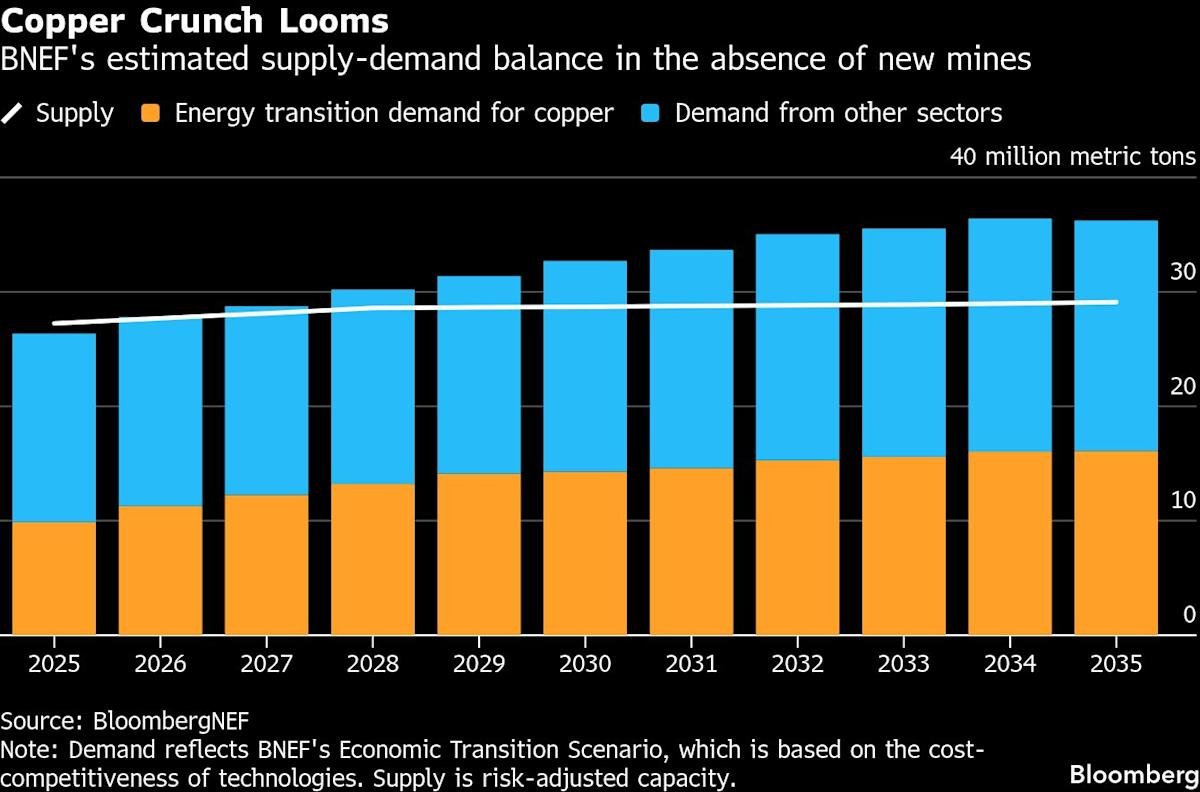
The growing demand for copper is driven by the increasing adoption of AI and machine learning technologies. These technologies require significant amounts of copper for their infrastructure and components. Furthermore, the rise of electric vehicles and renewable energy systems also drives up copper demand. As a result, the copper market is expected to experience a significant shortage in the coming years.
S&P Global’s report highlights the need for increased copper production to meet the rising demand. However, copper mining and production are complex processes that require significant investments and time. Moreover, the industry is facing various challenges, including environmental concerns and regulatory hurdles. The copper shortage is likely to have significant implications for various industries, including technology and defence.
The defence sector is also driving up copper demand due to the increasing use of advanced technologies in military equipment. The production of missiles, jets, and other military hardware requires significant amounts of copper. As global defence spending continues to rise, the demand for copper is likely to increase further. This trend is expected to continue in the coming years, exacerbating the copper shortage.
The copper shortage is likely to have significant economic implications, including higher prices and reduced supply. This could impact various industries, including construction, electronics, and renewable energy. As a result, companies and governments must develop strategies to address the copper shortage and ensure a stable supply of this critical material. This could involve investing in copper recycling, increasing mining production, and developing alternative materials.
In conclusion, the world’s copper squeeze is set to worsen due to rising demand from AI and defence sectors. The industry must adapt to these changes by increasing production, investing in recycling, and developing alternative materials. The copper shortage is a complex issue that requires a comprehensive approach to address its challenges and ensure a stable supply of this critical material.