
China’s Growing Influence in Brunei’s Oil Trade
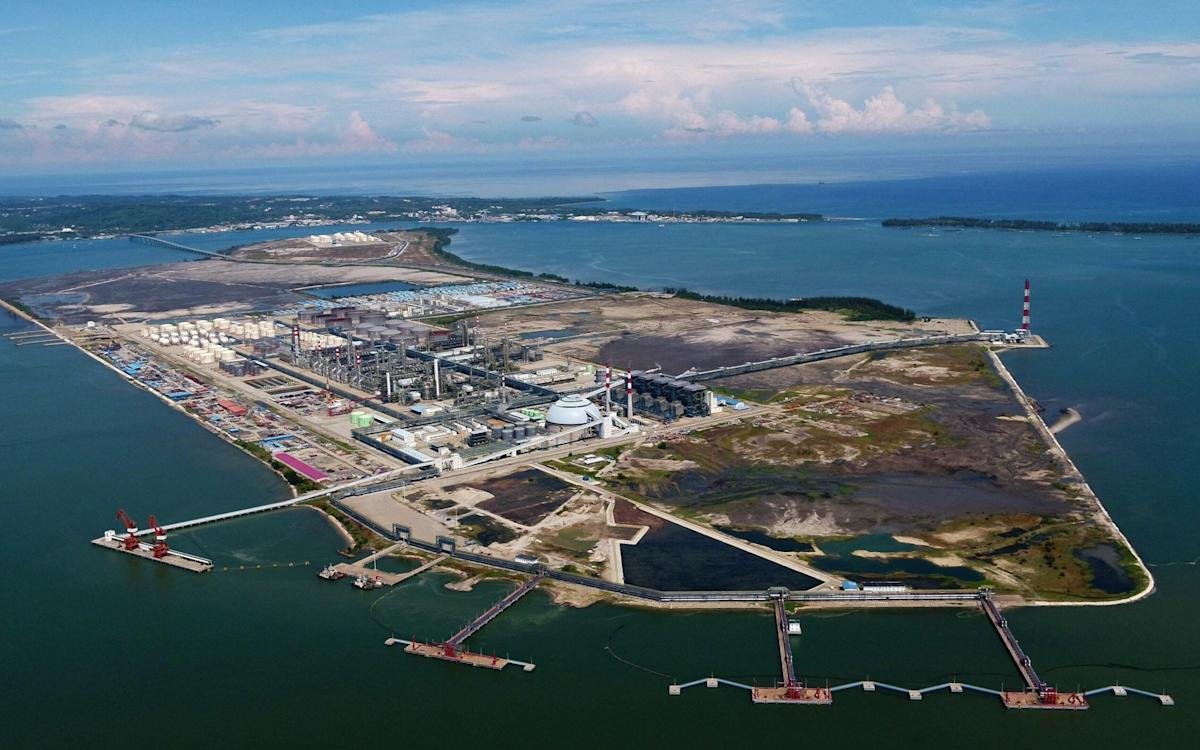
China’s efforts to expand its influence in the global oil market have led to a significant tightening of its grip on Brunei’s oil trade. Following a setback in Venezuela, China has turned its attention to Brunei, a small but oil-rich nation in Southeast Asia. This move is seen as a strategic attempt to secure a stable supply of oil and bolster its position in the region.
Brunei’s oil industry is dominated by the state-owned Brunei Shell Petroleum company, which is a joint venture between the government and Royal Dutch Shell. China’s state-owned oil companies, such as China National Petroleum Corporation (CNPC) and China Petroleum & Chemical Corporation (Sinopec), have been actively seeking to increase their presence in the country.
The implications of China’s growing influence in Brunei’s oil trade are far-reaching. It is likely to have a significant impact on the global oil market, as well as on the country’s economy and politics. As China continues to expand its reach, it is essential to analyse the potential consequences of this move and how it may affect the behaviour of other players in the market.
One of the key factors driving China’s interest in Brunei’s oil trade is the country’s strategic location. Brunei is situated near the South China Sea, a critical shipping lane for oil tankers. By securing a foothold in Brunei, China can gain greater control over the flow of oil in the region and reduce its reliance on other suppliers.
Furthermore, China’s move into Brunei’s oil trade is also driven by its desire to diversify its energy sources. The country is heavily reliant on oil imports, and by securing a stable supply of oil from Brunei, it can reduce its dependence on other suppliers and mitigate the risks associated with price volatility.
The impact of China’s growing influence in Brunei’s oil trade is not limited to the energy sector. It is also likely to have significant implications for the country’s economy and politics. As China increases its presence in the country, it is likely to lead to an increase in trade and investment between the two nations.
However, there are also concerns about the potential risks associated with China’s growing influence in Brunei’s oil trade. Some analysts have raised concerns about the potential for China to use its economic leverage to exert pressure on the country’s government and undermine its sovereignty.
In conclusion, China’s tightening grip on Brunei’s oil trade is a significant development with far-reaching implications for the global oil market and the country’s economy and politics. As the situation continues to evolve, it is essential to monitor the situation closely and analyse the potential consequences of this move.
The colour of the oil landscape in the region is changing, and it is crucial to understand the factors driving this change. By examining the underlying trends and patterns, we can gain a deeper insight into the potential risks and opportunities associated with China’s growing influence in Brunei’s oil trade.
Ultimately, the future of Brunei’s oil trade will depend on a complex interplay of factors, including the actions of China, the government of Brunei, and other players in the market. As the situation continues to unfold, it is essential to stay informed and up-to-date on the latest developments.