
US Child Care Funding Freeze Sparks Controversy
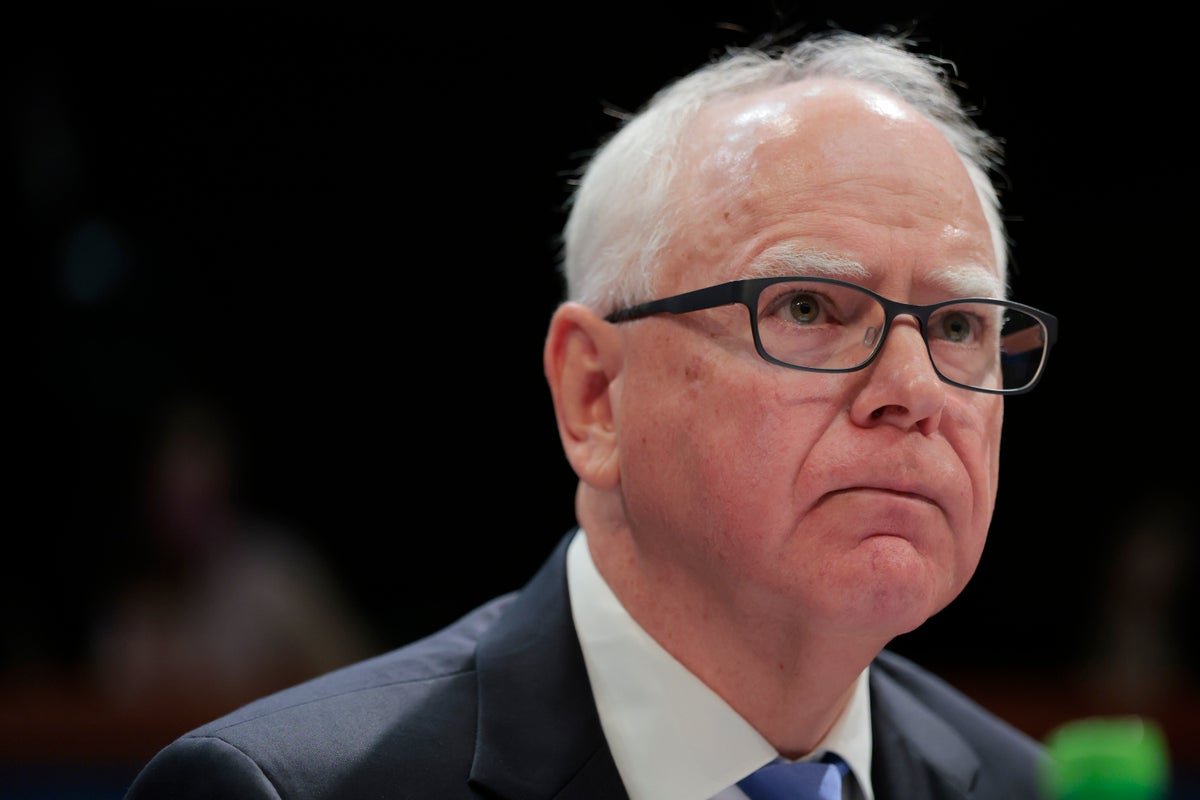
The Trump administration has sparked controversy by freezing child care funds to Minnesota amidst fraud claims. This move has been met with criticism from Governor Tim Walz, who argues that the decision will negatively impact vulnerable families. The funds in question are part of a federal programme aimed at supporting low-income families. The administration’s decision is likely to exacerbate existing childcare shortages.
According to reports, the fraud claims centre around alleged misuse of funds by certain childcare providers. However, Governor Walz has expressed concerns that the administration’s actions may be disproportionate and unfair to families who rely on these services. The situation highlights the complex challenges faced by policymakers in balancing the need to prevent fraud with the need to support vulnerable populations.
The child care sector is a critical component of the US economy, providing essential services to working families. The freeze on funding has significant implications for the sector, with potential consequences for childcare providers and the families they serve. As the situation continues to unfold, it remains to be seen how the administration’s decision will impact the broader childcare landscape.
The controversy surrounding the funding freeze has also raised questions about the administration’s approach to social welfare policy. Critics argue that the decision reflects a broader trend of policies that disproportionately affect low-income families and vulnerable communities. In contrast, supporters of the administration’s actions argue that they are necessary to prevent fraud and ensure that funds are being used effectively.
As the debate surrounding the child care funding freeze continues, it is clear that the issue is complex and multifaceted. The situation highlights the need for nuanced and evidence-based policymaking that takes into account the potential consequences for vulnerable populations. By examining the controversy surrounding the funding freeze, we can gain a deeper understanding of the challenges and opportunities facing the child care sector and the broader social welfare landscape.
The US child care system is a complex and multifaceted entity, with a wide range of providers and services. The system is shaped by a combination of federal, state, and local policies, as well as market forces and social trends. As policymakers seek to address the challenges facing the child care sector, they must navigate this complex landscape and develop solutions that are effective, efficient, and equitable.
One of the key challenges facing the child care sector is the issue of funding. Child care services are often expensive, and many families struggle to afford them. The funding freeze imposed by the Trump administration has exacerbated this problem, leaving many families without access to vital services. To address this challenge, policymakers must develop innovative and sustainable funding solutions that support the development of high-quality child care services.
In addition to funding, another critical issue facing the child care sector is the problem of quality. Many child care services struggle to provide high-quality care, due to factors such as inadequate training, poor working conditions, and insufficient resources. To address this challenge, policymakers must develop policies and programmes that support the development of high-quality child care services, such as training and education initiatives for child care providers.
The child care sector is also shaped by a range of social and economic trends, including changes in family structure, workforce participation, and demographic characteristics. As the US population becomes increasingly diverse, the child care sector must adapt to meet the needs of a wide range of families and communities. This requires policymakers to develop culturally sensitive and responsive policies that support the development of inclusive and equitable child care services.
As the child care funding controversy continues to unfold, it is clear that the issue is complex and multifaceted. The situation highlights the need for nuanced and evidence-based policymaking that takes into account the potential consequences for vulnerable populations. By examining the controversy surrounding the funding freeze, we can gain a deeper understanding of the challenges and opportunities facing the child care sector and the broader social welfare landscape.
The Trump administration’s decision to freeze child care funds to Minnesota has significant implications for the child care sector and the families who rely on these services. As policymakers seek to address the challenges facing the sector, they must develop innovative and sustainable solutions that support the development of high-quality child care services. This requires a nuanced understanding of the complex issues at play, as well as a commitment to developing policies that are effective, efficient, and equitable.
In conclusion, the child care funding controversy highlights the complex challenges faced by policymakers in balancing the need to prevent fraud with the need to support vulnerable populations. The situation requires nuanced and evidence-based policymaking that takes into account the potential consequences for families and communities. By examining the controversy surrounding the funding freeze, we can gain a deeper understanding of the challenges and opportunities facing the child care sector and the broader social welfare landscape.
Ultimately, the child care funding controversy serves as a reminder of the importance of developing policies that are effective, efficient, and equitable. As policymakers seek to address the challenges facing the child care sector, they must prioritize the needs of vulnerable families and communities, while also ensuring that funds are being used effectively and efficiently. By doing so, we can create a more just and equitable society that supports the well-being and development of all children and families.